

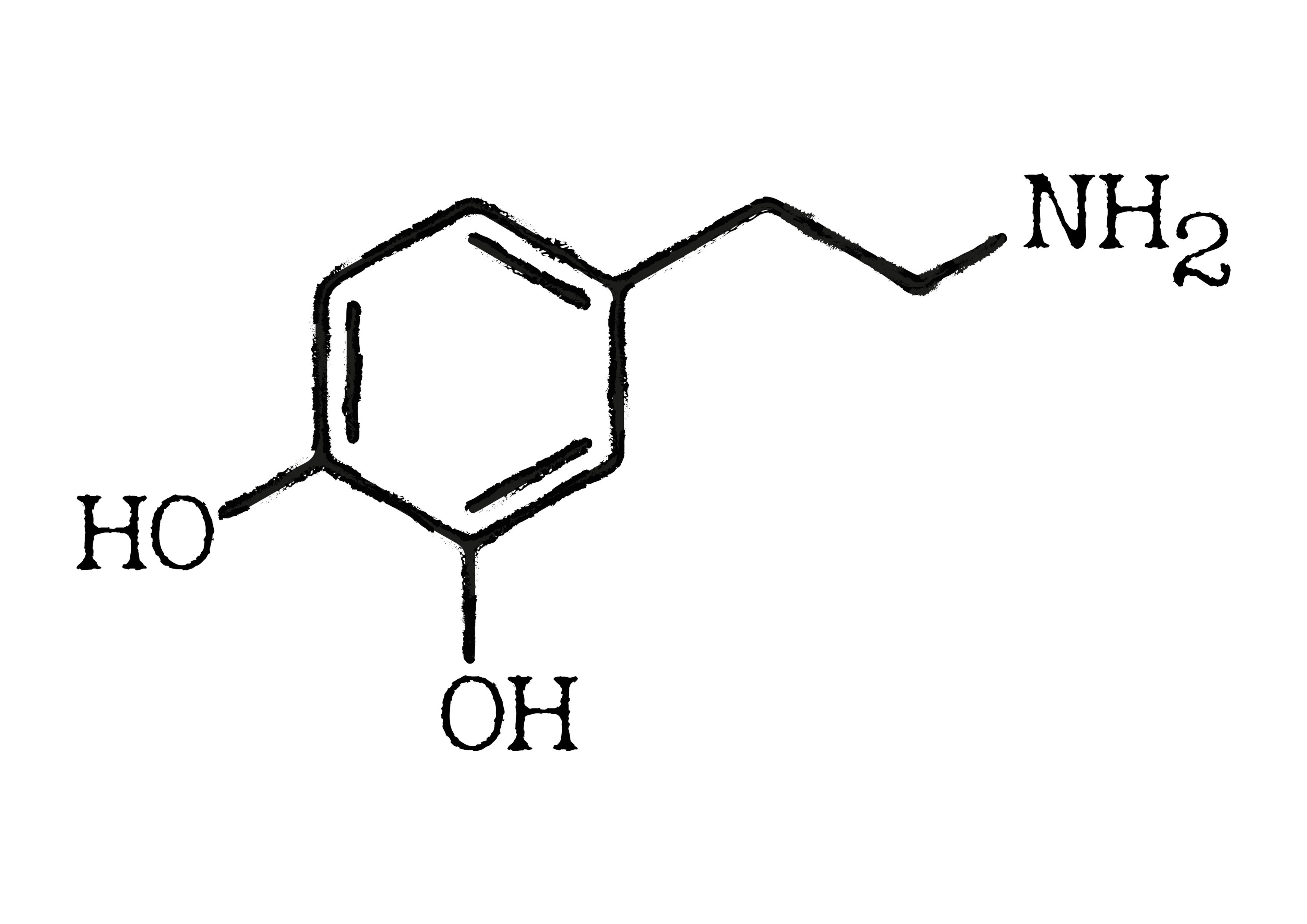
Before studying psychology, and while I was still in the practical stages, I watched videos on TikTok, like any teenager, that talked about “easy” and “difficult” dopamine. For example, don’t do that, do this, do that, do this, and you’ll get the results you want.
As I studied over time, I realized that dopamine isn’t just a “thing” that comes to mind. Or rather, you get more of it when you stop being self-satisfied. (Yes, many people say that).
I realized that it is a neurotransmitter (we’ll talk about that later), that it is related to reward and, above all: When there is a malfunction in this area, phenomena such as schizophrenia, mania (in bipolar disorder), psychosis, etc.
But why do some people say that “easy dopamine” is ultimately the worst? In this article, we will discuss all of this in detail!
A little science
First, I would like to emphasize that much of our brain is uncharted territory. That is, even if we know a lot about it, we don’t know what very small areas do. However, we know the basic functions and we know what each one or combinations of them do.
At a smaller level, there is the term neurotransmitter. In other words, it is a chemical molecule that performs a function. For example, in addition to dopamine, we know about serotonin (which is responsible for our happiness—antidepressants are mainly based on this), norepinephrine, and oxytocin (the cuddle hormone) and others.
These neurotransmitters, which according to recent research are also found in the gut, regulate our mood. To dive a little deeper and understand exactly how dopamine works, we cannot fail to mention addiction.
An example
A simple example: Imagine that you like (or drink) coffee. Every time you perform this action, your brain wants more. It associates fatigue with coffee. So when you get tired, you want coffee. Maybe even more. This makes you feel rested, which is a reward. This cycle occurs with all substances. However, the reward does not stop there. The brain wants more. In this way, it gradually becomes dependent on the object/substance, etc.
Simply and plainly
I understand that many people say: Take a cold shower, meditate, walk in nature, drink a nice beverage, talk to your friends, and all that to get the “difficult” dopamine (because it’s harder than satisfying yourself, for example, or just buying a chocolate).
As a human being and a psychologist, I will ask you to do the same things. Just without the myth of “easy” and “difficult” dopamine. Except for dopamine. Because what ultimately matters is doing something beneficial and functional for yourself, not just acting like you’re addicted to something because of the reward.
Demystifying
So, we conclude that dopamine is produced in our bodies anyway. Even when we eat or go to the bathroom. Otherwise, there would be no point in getting out of bed. And yes, I agree with functional ways of improving the body and soul.
But not with labeling people who have too much dopamine (the so-called mentally ill) or too little dopamine. I also disagree with the terms “easy,” “solution,” “must,” and “do this for...”
Why?
Because, quite simply, when you do something by force, you encounter resistance. And in order to remain in homeostasis, i.e., in balance, your body will make you suffer. Does that mean we shouldn’t improve ourselves? No, not at all. Just think critically and listen to the experts, especially when it comes to mental health.
So, the next time you feel that TikTok videos are too “unrealistic,” you’ll be right. We can’t be superhuman. And the next time you feel like you’ve failed, just go for a walk in nature, exercise a little, or drink some water (yes, it grounds you). Without the expectation of “good” and “bad.” Because, ultimately, that’s why this article was written.
To say that good and bad are nothing more than a neutral chemical molecule. How we use it is our choice!